Blown Fuse in Shortland
If a fuse has blown at your Shortland home, Electrician Shortland finds and fixes the fault fast, backed by 300+ five-star reviews and $0 call-out.
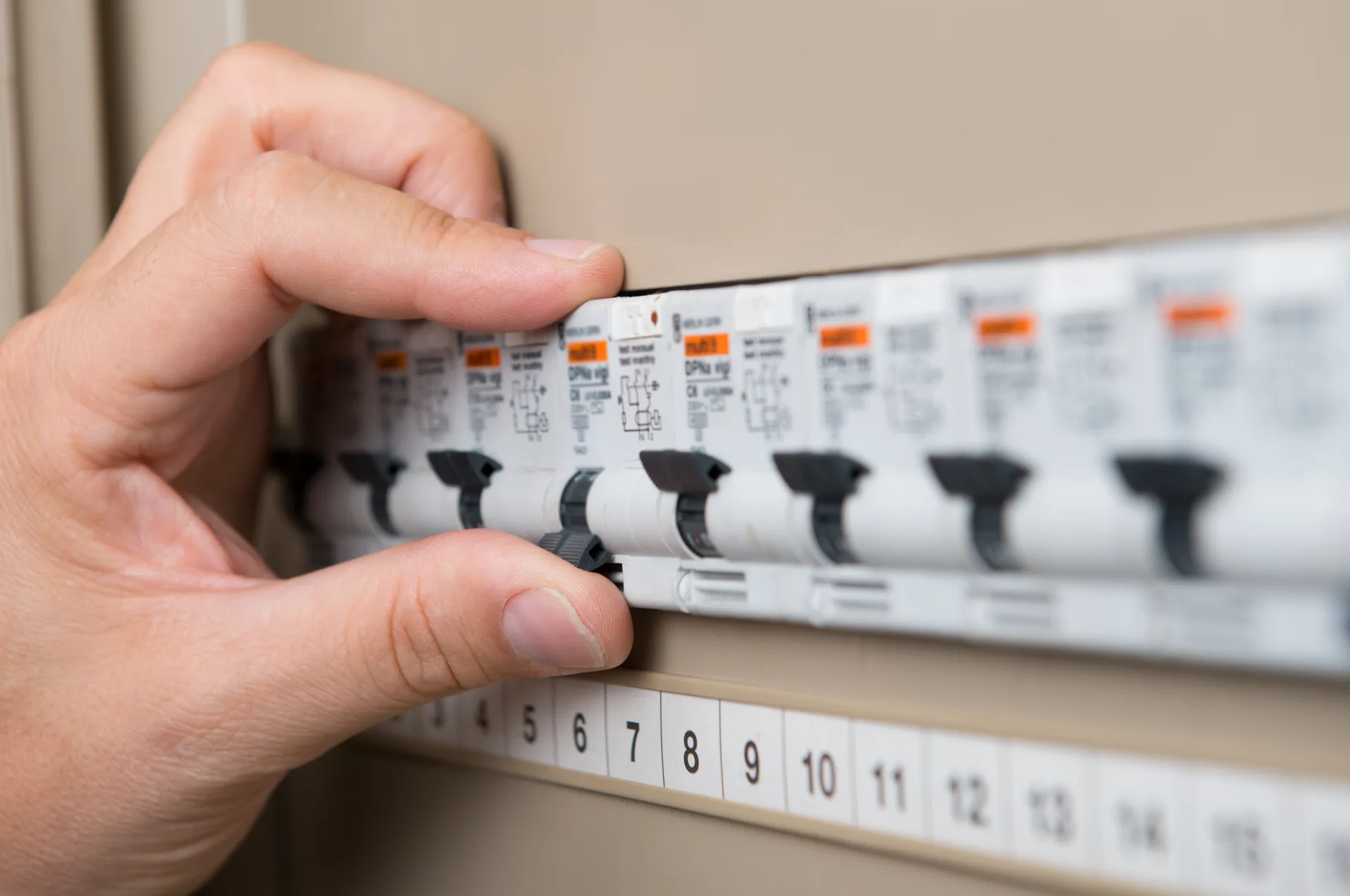
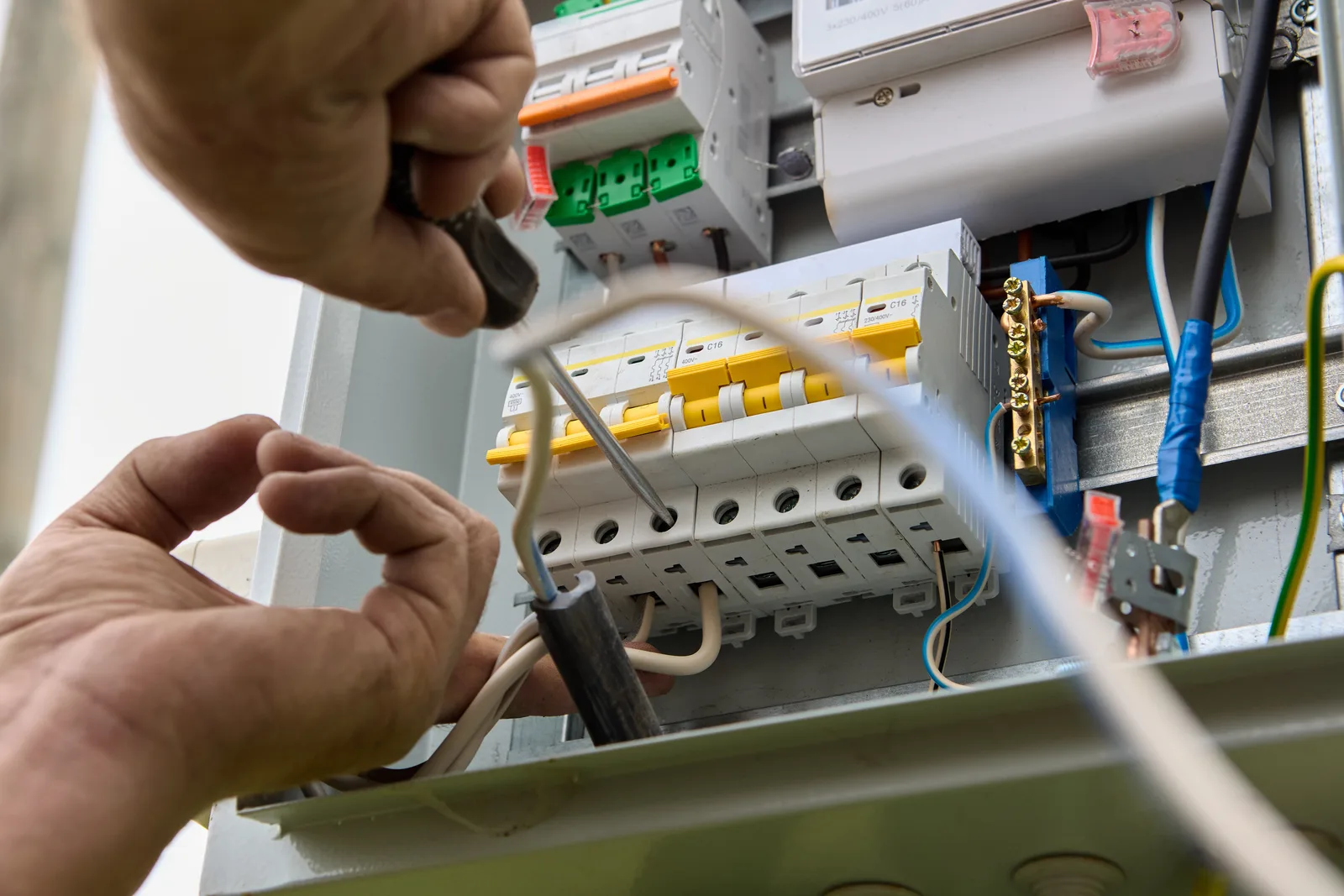
Licensed & Level 2 ASP
Lic #451348C, Level 2 ASP accredited electricians you can trust.
300+ Five-Star Reviews
Rated 5 stars across 300+ genuine local reviews.
$0 Call-Out & Free Quotes
No call-out fee, and a free, fixed quote before any work.
What a Blown Fuse Is Telling You
A fuse blowing is a safety device doing exactly what it is designed to do, cutting power before a fault becomes something worse. On an older ceramic or rewireable fuse board, this is common. Under AS/NZS 3000, a fuse that keeps blowing means an underlying fault that needs finding, not just resetting.
Common Causes of a Blown Fuse in Shortland Homes
An overloaded circuit
The most common cause. Running a large oven, heater, and workshop tools on the same circuit can push an older fuse past its limit, especially in winter.
A short circuit
A damaged wire or faulty connection creates a short that blows the fuse instantly, often the moment a particular appliance or point is switched on.
A faulty appliance
A failing appliance drawing a fault current will blow the fuse the moment it is plugged in or switched on, even if the rest of the circuit is fine.
An ageing rewireable fuse board
Many of Shortland's 1950s-60s Housing Commission homes around Macarthur Street still run original rewireable or ceramic fuse boards with no modern safety switches at all.
Moisture reaching an old circuit
Humidity carried in off the nearby Hunter Wetlands can affect older wiring and outdoor circuits, tripping a fuse after heavy Hunter rain.
A worn fuse holder or connection
Decades of heat cycling inside an old fuse holder can loosen the contact itself, causing nuisance blowing even when the connected circuit is otherwise fine.
Is a Blown Fuse Dangerous?
Usually a blown fuse is the board protecting you as intended, but one that keeps blowing points to a fault that will only get worse, and an old fuse board offers far less protection than a modern one.
- A fuse that blows once and stays fixed is generally just doing its job
- One that blows repeatedly means an active fault behind the circuit
- Warmth, buzzing or a burning smell alongside a blown fuse needs same-day checking
- A rewireable fuse board with no safety switches no longer meets AS/NZS 3000
What To Do Right Now
Before we arrive, these safe steps are all you need to take:
- Unplug the appliance that was running when the fuse blew.
- Do not keep replacing the fuse if it blows again straight away.
- Avoid touching the fuse board yourself if you are unsure what you are doing.
- Do not open the switchboard or attempt any rewiring.
- Call a licensed electrician (Lic #451348C) to find and fix the fault.
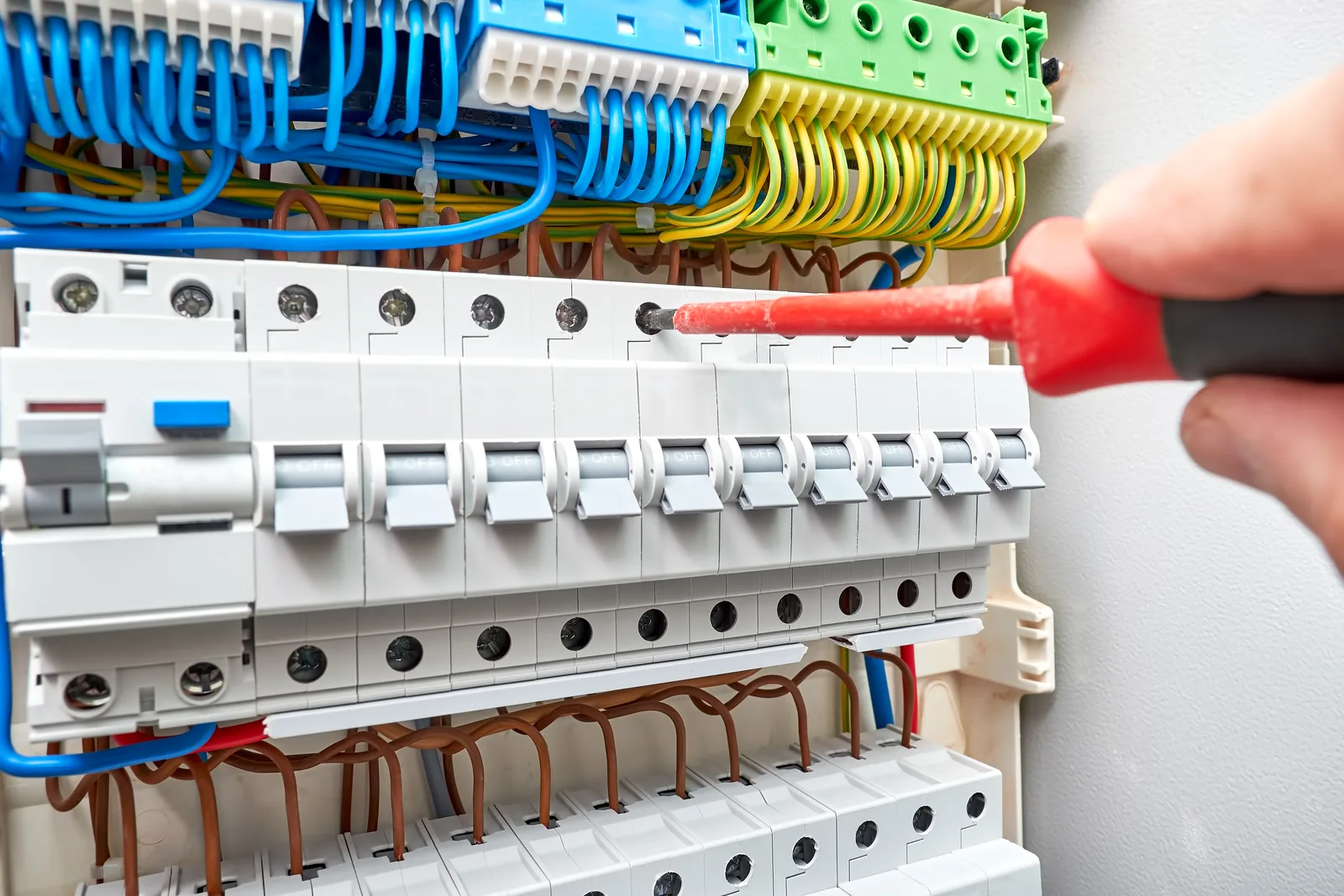
When To Call an Electrician for a Blown Fuse in Shortland
- The same fuse keeps blowing no matter what you unplug
- More than one circuit or fuse is affected at once
- Your board still uses ceramic or rewireable fuses with no safety switches
- There is any warmth, buzzing, or burning smell near the board
- The fault started after a storm or heavy rain
Any of these at your Shortland property is a job for a licensed electrician, not another fuse swap. We respond same-day and 24/7 for emergencies, with $0 call-out and free quotes. See our switchboard upgrades and electrical repairs.
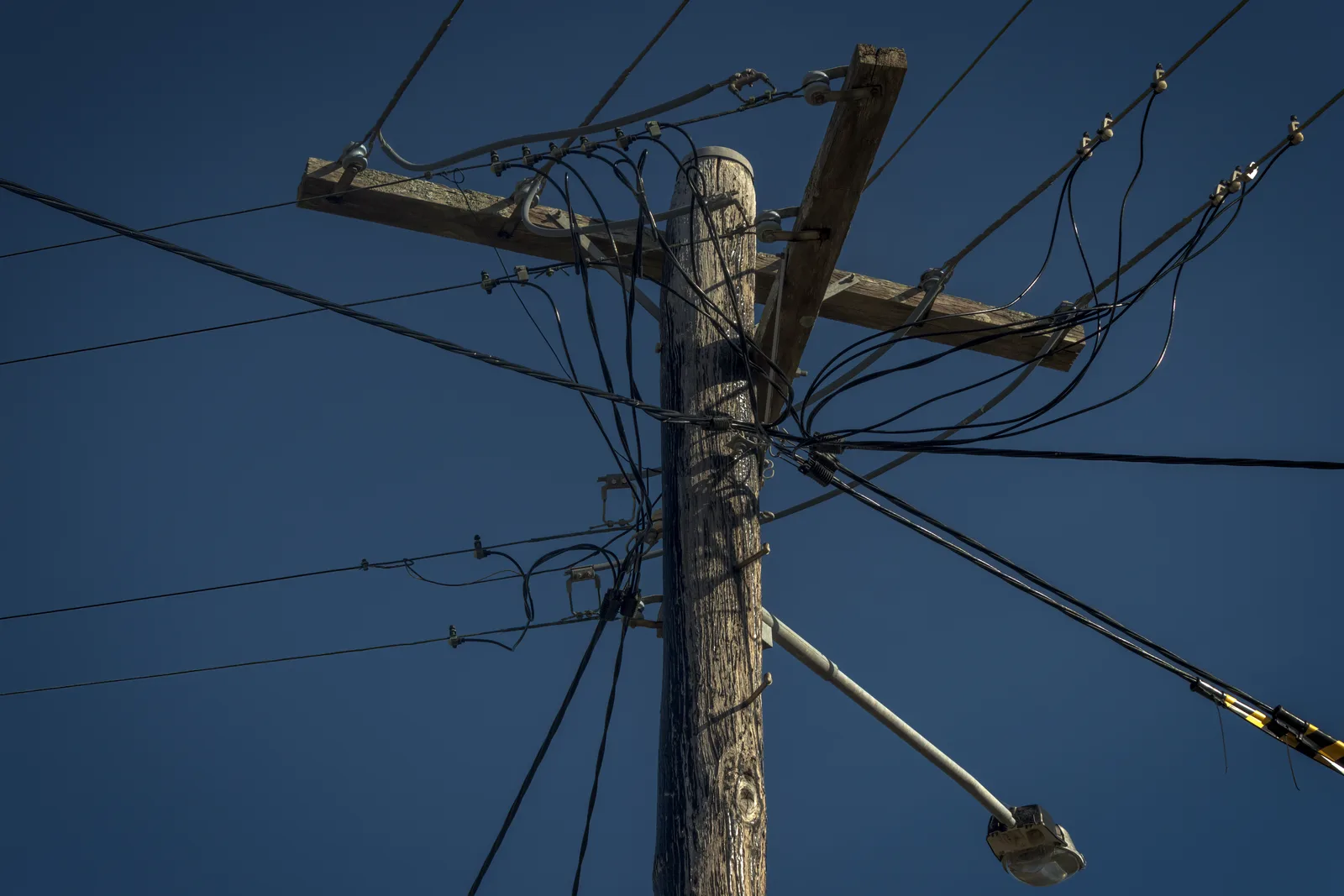
How it works
How We Fix a Blown Fuse in Shortland
Fault Finding
We isolate each circuit at the board to trace exactly which fault is causing the fuse to blow, rather than just replacing it and hoping.
Upfront Quote
Once we know whether it is a single repair or a full board upgrade, you get a fixed, transparent quote before we start.
The Repair or Upgrade
We repair the immediate fault, and where the board is an old rewireable type, we recommend a switchboard upgrade with modern safety switches.
Testing & Safety Check
Every repaired circuit is tested against AS/NZS 3000 wiring rules before we leave, so the fix holds under real load.
Why This Is Common in Older Shortland Homes
Shortland's postwar Housing Commission and war-service homes near Macarthur Street were built with fuse boards designed for a fraction of today's load, a pattern also seen in neighbouring Waratah West.
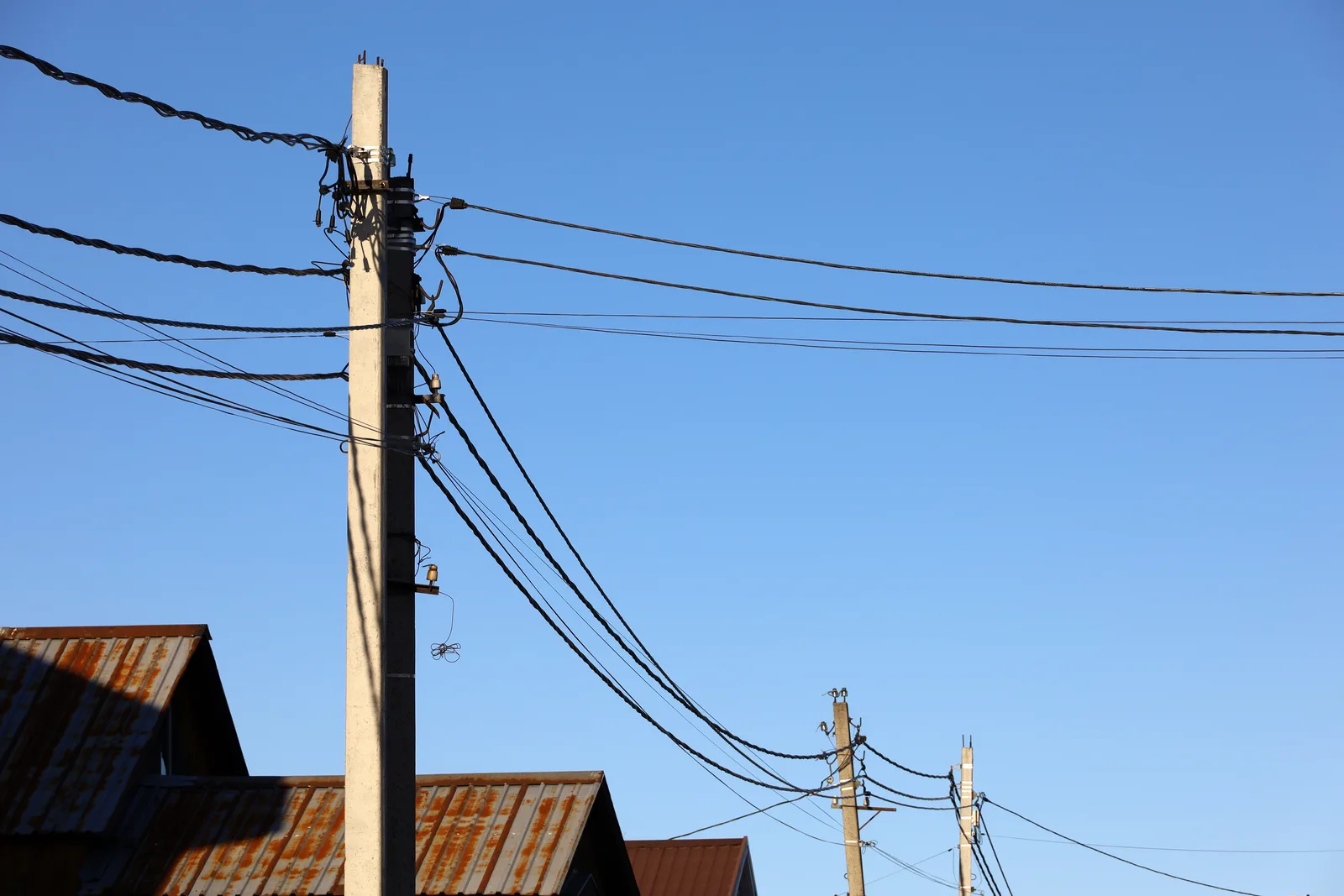
Blown Fuses and Related Electrical Faults Across Shortland
A blown fuse often shows up alongside a tripped circuit breaker or overloaded power points. We fix all three for homes across Shortland, Jesmond, Hexham, and the wider Newcastle region.
Fuse Keeps Blowing in Shortland? Book an Electrician Today
Call (02) 4072 9917 or get in touch for same-day or 24/7 emergency service, $0 call-out, free quotes, and fixed upfront pricing. Backed by 300+ five-star reviews, we'll find the fault, and if it sparks, shorts, flickers or fails, we can fix it. Visit our home page any time.
Common questions
Blown Fuse FAQs
Real questions homeowners ask us about blown fuses, from what causes them to whether an old board is the real problem.
Is a blown fuse dangerous?
A single blown fuse is usually just doing its job, but a fuse that keeps blowing points to an ongoing fault, and an old fuse board with no safety switches is a real safety gap.
What causes a fuse to blow?
An overload, a short circuit, a faulty appliance, or an ageing rewireable fuse board without modern safety switches are the most common causes.
What should I do if a fuse blows?
Unplug whatever was running on that circuit, avoid replacing the fuse yourself if you are unsure, and call a licensed electrician if it keeps happening.
Do I need an electrician to fix a blown fuse, or can I just replace it?
Replacing an old fuse yourself is not something we recommend, especially on an ageing board, so a licensed electrician should replace it and check the underlying cause.
How much does it cost to fix a blown fuse?
It depends on whether it is a single fix or a full board upgrade, but we provide a free quote and fixed upfront pricing before any work, plus a $0 call-out fee.
Are old fuse boards common in older Shortland homes?
Yes. Many of Shortland's 1950s-60s Housing Commission and war-service homes still run original ceramic or rewireable fuse boards that pre-date modern circuit protection.